
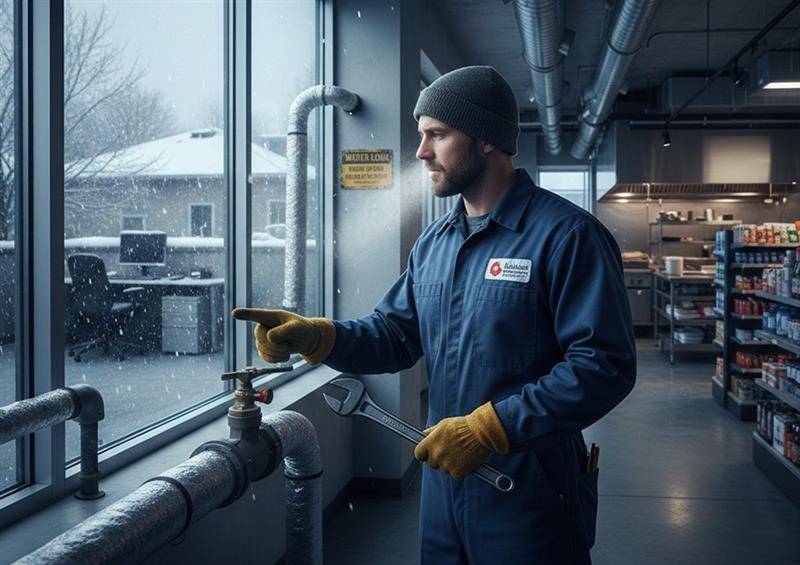
Winter Plumbing Preparation Tips for Washington Businesses & Property Owners
The plumbing system faces significant challenges in Washington due to the winter weather that requires businesses and owners of commercial properties to balance versatility, safety and expenses. Low temperatures, rains and freeze-thaw cycles may turn small plumbing issues into a crisis that will flood a premise, shut down a business and destroy machinery or stock. This booklet provides real-life winter plumbing preparation answers in a format such that it makes specifics to Washington offices, retail premises, restaurants, multi-tenant buildings, and additional commercial properties.benjaminfranklinplumbing+2
Learning the Winter Plumbing Dangers in Washington
The climate of Washington ranges between wet and cool wetlands like Seattle and Tacoma and the inland and east where it is colder; almost all have freezing nights and sudden cold spells. Commercial properties are generally characterized by large pipe runs, space that will go without heating and uneven occupancy periods (holidays, weekends) which in combination increase the risk of frozen pipes, leaks and water breakages. Knowledge about the places of exposed plumbing and the behavior of the building in cold weather is the foundation of a successful winterization plan.plumbingjoint+2
Insulating and Protecting Vulnerable Pipes
Lying and poorly insulated piping constitutes the worst winter weakness of Washington premises. The focus should be made on pipes installed in unconditioned or drafty areas: parking garages, basement, crawl spaces, stairwells, spaces above suspended ceilings against exterior walls, and mechanical rooms. Installation of foam pipe insulation, fiberglass, or other similar materials around both hot and cold water lines, and go to particular attention plumbing near loading docks and at entrances where doors are frequently opened. To avoid a water line being frozen in low temperatures, in high risk regions it may be a good idea to install UL-listed heat cable or heat tape with onboard thermostats to ensure water lines do not hit the freezing point.bellevuewa+2
Making the Building Airtight
Properly insulated pipes may freeze in case cold air constantly penetrates the building. Look around windows, exterior doors, penetrations in walls, meter boxes, hose-bib penetrations, and undersink areas to find drafts blowing directly onto pipes. Use caulk, weatherstripping or expanding foam around cracks and fix damaged door sweeps or threshold seals. The building envelope can help reduce the possibility of frozen pipes, as well as it could lower winter heating costs of Washington business.wawater+2
Keeping Indoor Temperatures Safe
Reducing heat in order to save money is appealing but allowing areas to get too chilly may trigger expensive pipes to burst. Washington utilities and local governments advise keeping a steady temperature in locations that have plumbing, despite lack of inmates in the premises. Do not set thermostats back more than necessary where there is water line; see that mechanical rooms, washrooms and perimeter areas have adequate heat to practice good protection to piping, usually above the freezing point. When in an extreme cold freeze, allow a slow flow of water through spouts on susceptible pipes to maintain water flow and, thus, reduce the chances of freezing.esd112+2
Draining and Closing Exterior Plumbing
The exterior plumbing is especially vulnerable during Washington winters. Before the freezing season arrives, de-attach and empty any garden hose and keep them inside to prevent ice damage that exists in the ice outlets. Provided the building has hose-bib shut-off valves, then close the inside valves and turn the ones outside to allow the rest of the water to drain off. In the case of commercial irrigation or landscape installations, install a qualified blow-out to remove water in the underground lines and eliminate any ruptures which otherwise may not be noticed until spring.aquilacommercial+3
Servicing Water Heaters, Boilers, and Related Equipment
The maximum period of demand of hot water is during winter in the rest rooms, commercial kitchens, laundries and hydronic heating systems. Contract a certified plumber or mechanical contractor to inspect commercial water heaters and boilers prior to winter, evaluating on sediment build-up, corrosion, broken anode rod, faulty safety valve and so forth. Revisions of expansion tanks, verifying thermostat settings, and making sure that pressure-relief valves are functioning properly can prevent failures in the middle of winter and improve energy efficiency. Washington has colder areas, so there is always a need to assure integrity of this equipment to protect occupants as well as the plumbing.jimdandysewerandplumbing+3
Finding and Testing Shutoff Valves
When it comes to a plumbing emergency, the most effective way to reduce the damage is to stop the water immediately. Make a survey of the property to be able to locate all the main water shut-off, floor isolation valves, and prominent branch valves which serve a particular area like a bathroom or kitchen. These valves should be clearly marked and kept in plain sight, not buried under piled up inventory and under lock and key, and used occasionally to make sure they are not taken. Train the personnel, the building engineer and security staff on the correct way to shut off the water in the event of a leakage or a broken pipe as a result of a winter storm or occurrence after the business is closed.wawater+2
Planning for Vacant or Low-Use Spaces
Many businesses in Washington have space that is unused during holidays, off seasons or between tenants. In areas that are not going to be heated the best idea is to usually cut the water off at the main water line or even at an isolation valve, then drain the lines, allowing outstanding water to run out through opening faucets. Unheated spaces that contain toilets and traps might need to be winterized using non-toxic antifreeze that is designed to be used in plumbing systems to prevent cracking. Installation of intelligent temperature or freeze detectors can give notifications when the temperature inside premises drops too low and this will allow owners time to remove or turn off pipes before they become hard and explode open.mercurios+2
Using Monitoring, Maintenance, and Local Expertise
Constant maintenance and monitoring is the best way to ensure proper preparation of winter plumbing. These should be scheduled periodically at winter times to identify leakage, condensation or cold spots and evaluate the feasibility of installing leak detectors or flow monitor devices in mechanical rooms, beside risers and inside vulnerable restrooms or storage rooms. These devices may provide a signal that there is unusual water usage or moisture thus making it easy to identify the problem at the initial stages. Finally, develop an alliance with a licensed plumbing contractor with knowledge of local codes, backflow-prevention laws and area weather patterns, to have reliable assistance in the execution of preventive and emergency responses.benjaminfranklinplumbing+3
Building a Winter Plumbing Checklist
The formulation of these recommendations into a written winter plumbing checklist will help ensure that every step is not skipped as winter approaches. Specific areas like checking and insulating pipes, sealing drafts, maintaining water heaters, emptying outside lines, checking stop-and-start valves, and employee training can be listed. In preparation of the new winter season every year, go through the checklist to rectify or add issues experienced over the last winter and plan the work in a calendar to be done before the earliest heavy freeze.rhawa+2
Conclusion
Washington winters place unique stress on commercial plumbing systems, but thoughtful preparation can turn a vulnerable building into a resilient one. By understanding regional risks, protecting exposed piping, maintaining safe temperatures, managing exterior plumbing, and working with local professionals, businesses and property owners can avoid costly damage, protect occupants, and keep operations running smoothly all season.