
Immediate Actions for Plumbing Emergencies in Commercial Buildings
Plumbing emergencies in commercial buildings pose inevitable issues that may upset operations within a building, cause unimaginable damages to properties, and harm occupant safety.The consequences of a burst pipe are immediate and severe, whether it occurs in a critical office space or results in sewer overflow that creates an unsanitary environment.The most important way to reduce damage and loss of business is to take quick and effective measures prior to the professional help. This informative manual provides effective advice to the commercial buildings managers and owners, as well as their employees, on matters of reacting decisively to plumbing emergencies, and how to equip to handle such occurrences in a proactive manner.
Common Plumbing Emergencies in Commercial Settings
Business premises have complex plumbing structures which are highly exploited on a day to day basis making them susceptible to different emergency cases. Some of the most common are ruptured or leaking pipes that could release big amounts of water flooding the inside spaces, destroying floors, walls, and delicate machinery. Sewer blockage and sewer lines backup may create foul fumes, threaten human health, and interfere with functions. Failure of water heaters also stops the hot water supply, which covers the bathrooms, kitchen and cleaning operations. Severe weather can lead to freezing or breaking of pipes especially in areas where no heat is provided. The presence of damaged or faulty plumbing fixtures can result in leaks, wastewater issues, and increased utility expenses.It is necessary to detect these issues at the early stage (which is indicated by dripping noises, water stains, pressure decrease, or odors to respond quickly).
Immediate Actions to Take During an Emergency
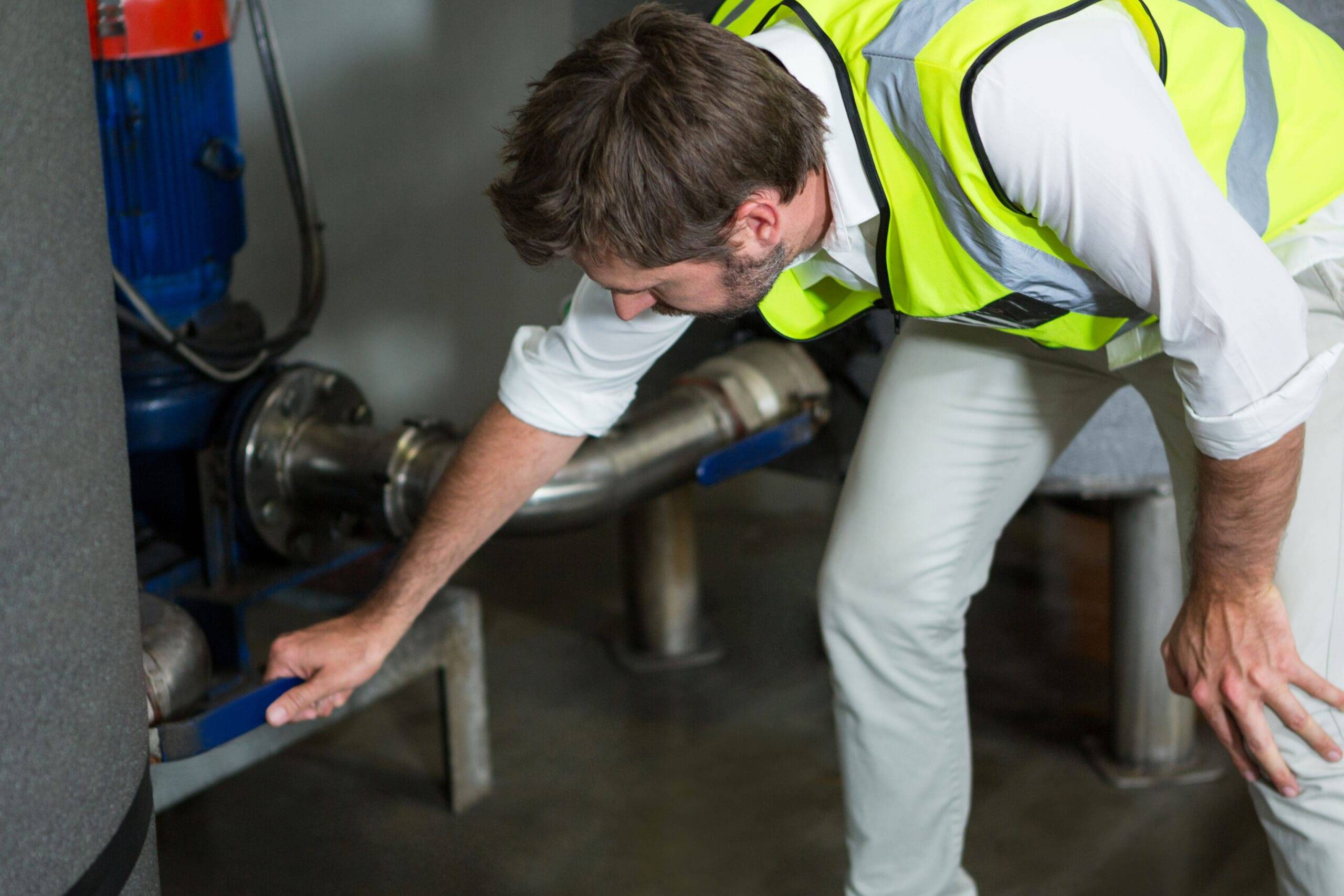
The first few seconds after a plumbing emergency have been discovered is of the essence. The most important task is to stop the flow of water so as to avoid more damage. This requires the identification and closure of the main valve of water supply or, wherever possible, the isolation of the valves in the area of attack to ensure that minimal inconvenience is caused to other parts of the building not affected. This should then be followed by switching off electrical power to the affected region to avoid harmful interplay between water and electricity therein, which later may cause electrocution or fire. Employees are required to set up waterproof material and physical shields to curb the water flow and protect equipment and documents worth millions of dollars against destruction.In cases of plumbing emergencies in commercial buildings where immediate safety hazards exist such as flooding near electrical wiring or structural instability risking collapse, it is crucial to evacuate occupants calmly and efficiently to safe areas until professional help arrives.Lastly, insuring and in terms of restoration planning, it is very recommended that the damages be documented in form of photographs and videos.
Preparing an Emergency Plumbing Response Plan
Plumbing emergency management cannot be done effectively without preparation. Business establishments should have an emergency response team allocated whose responsibility is to implement the necessary emergency response and liaise with the emergency services and contractors. There ought to be a detailed contact list (licensed plumbers, restoration firms, insurance firms, utility executives, etc.). This should be available and easily accessible by all the key employees. Emergency drills and regular training will make sure that the employees possess the knowledge to use shut-off valves, emergency kits, and observe the evacuation procedures. Effective communication procedures ensure that everyone is aware and in tandem with one another in case of a crisis, therefore, reducing the chances of confusion and delays.
Stocking Essential Emergency Supplies
Having a fully prepared emergency plumbing kit at hand increases the effectiveness of control of damage during a crisis. Such a kit will include valve keys, pipe repair tapes and plugs, spare washers and seals, absorbent towels and mats, wet/dry vacuums, heavy fans and appropriate personal protective equipment e.g. gloves, boots and goggles. Flashlights, communication devices, cameras to document damage and batteries are also necessary. The emergency kit ought to be checked and replenished on a regular basis and kept in some strategic places where one can readily reach during an emergency.
Temporary Repairs Before Professional Assistance
Before the arrival of licensed plumbers, the trained members of the facility are allowed to take some temporary repair action to alleviate damage. Such measures can involve sealing small leakages to use pipe repair tape or clamps, substituting failed washers or seals in the leaky fixtures, cautiously thawing ice pipes by safe sources of heat or diverting water with hose or bypass devices. These activities should be prudent and with the right knowledge not to make the situation worse. Based on this, temporary fixes must be done by trained personnel only, and the more complicated issues must be forwarded to the professionals at the moment.
Engaging Professional Emergency Plumbing Services
There are complicated plumbing failures, such as large scale flooding, sewerage overflow, slab leaks under flooring, or essential system failures, which are to be dealt with by licensed crisis plumbers. These professionals have the necessary equipment, such as high-pressure water jetters, camera inspection systems, Industrial pumps, and the equipment allows them to accurately diagnose and conduct effective repairs. Timely professional service will guarantee the adherence to the safety standards and warranties as well. In choosing a plumbing service, an institution must ensure that they check licenses, insurance covers, 24/7 availability, and demonstrated experience dealing with commercial emergency cases in order to ensure the services not only become reliable but also offer quality services.
The Role of Preventive Maintenance
Preventive maintenance is still the surest combatant of the plumbing emergencies. Corrosion, wear, or obstructions can be identified early in case of scheduled inspection of pipes, joints, drains, and valves. Regular cleaning of drains helps avoid build up to cause clogs and backups. Water heaters are supposed to be serviced once in a year to ensure efficiency and prevent abrupt breakdown. The backflow preventers should also be examined on a regular basis to ensure that they are functional and to maintain the drinkable water. During low temperature weather, plumbing systems are winterized to help avoid the possibility of pipes being frozen and bursting open. Early mending of a leak helps in protecting the system integrity, minimizing waste of water and minimizing operating expenses. An active care program prolongs the service of the commercial plumbing infrastructure and reduces risks and consequences of the emergencies.
Conclusion
Although unpreventable, plumbing emergencies in commercial buildings do not necessarily lead to irreparable disruption and destruction. The secret of success depends on the holistic approach as the combination of preparation, immediate action and professional help. Properly trained staff who have emergency provisions and are equipped with emergency strategies will be able to perform essential preliminary routine actions that limit the damage and save lives of the occupants. Establishing strong associations with reliably known emergency plumbing companies would ensure that a complex issue is solved fast. Regular preventive maintenance will also reduce the likelihood and severity of the plumbing crisis. With preparation as a priority, managers of commercial buildings not only protect investments but also secure their property as well as guarantees the continuation of business even at times of plumbing emergencies.