Plumbing Solutions for Managing Wastewater in Manufacturing Plants
If you’ve ever walked through a manufacturing plant, you’ll notice one constant—water is everywhere. It’s used for cooling equipment, cleaning production areas, processing raw materials, and even as part of the end product in certain industries. But behind all that productivity lies a critical challenge: what happens to all that water after it’s been used? The answer is far from simple. Industrial wastewater is often loaded with pollutants—everything from chemical residues and oils to metal particles and organic matter—that can’t simply be flushed away like household waste.
Ignoring proper wastewater management can lead to costly fines, production shutdowns, and environmental harm. As global water scarcity becomes a pressing issue and regulations grow stricter, manufacturing plants are under increasing pressure to rethink their wastewater strategies. This is where specialized commercial plumbing solutions step in, offering tailored, efficient, and sustainable ways to handle one of the most underestimated aspects of industrial operations.
1. Understanding the Challenges of Industrial Wastewater
The type of industrial wastewater changes a lot based on the industry involved. For instance, a textile manufacturing facility might generate wastewater containing dyes, microplastics, and detergents, while a pharmaceutical plant’s discharge could contain active chemical compounds that require neutralization. This wide variability means there’s no “one-size-fits-all” solution—each plant must have a plumbing system specifically designed for its unique wastewater profile.Another major challenge is volume.
Many manufacturing plants run all day and night, making thousands of gallons of wastewater each day.This isn’t a slow trickle—it’s a constant flow that demands reliable, high-capacity plumbing infrastructure. A single blockage, system breakdown, or contamination incident can halt production lines, damage sensitive equipment, and cause expensive downtime. The stakes are high, and traditional plumbing systems simply aren’t built to handle this level of complexity.
2. The Role of Specialized Plumbing Systems
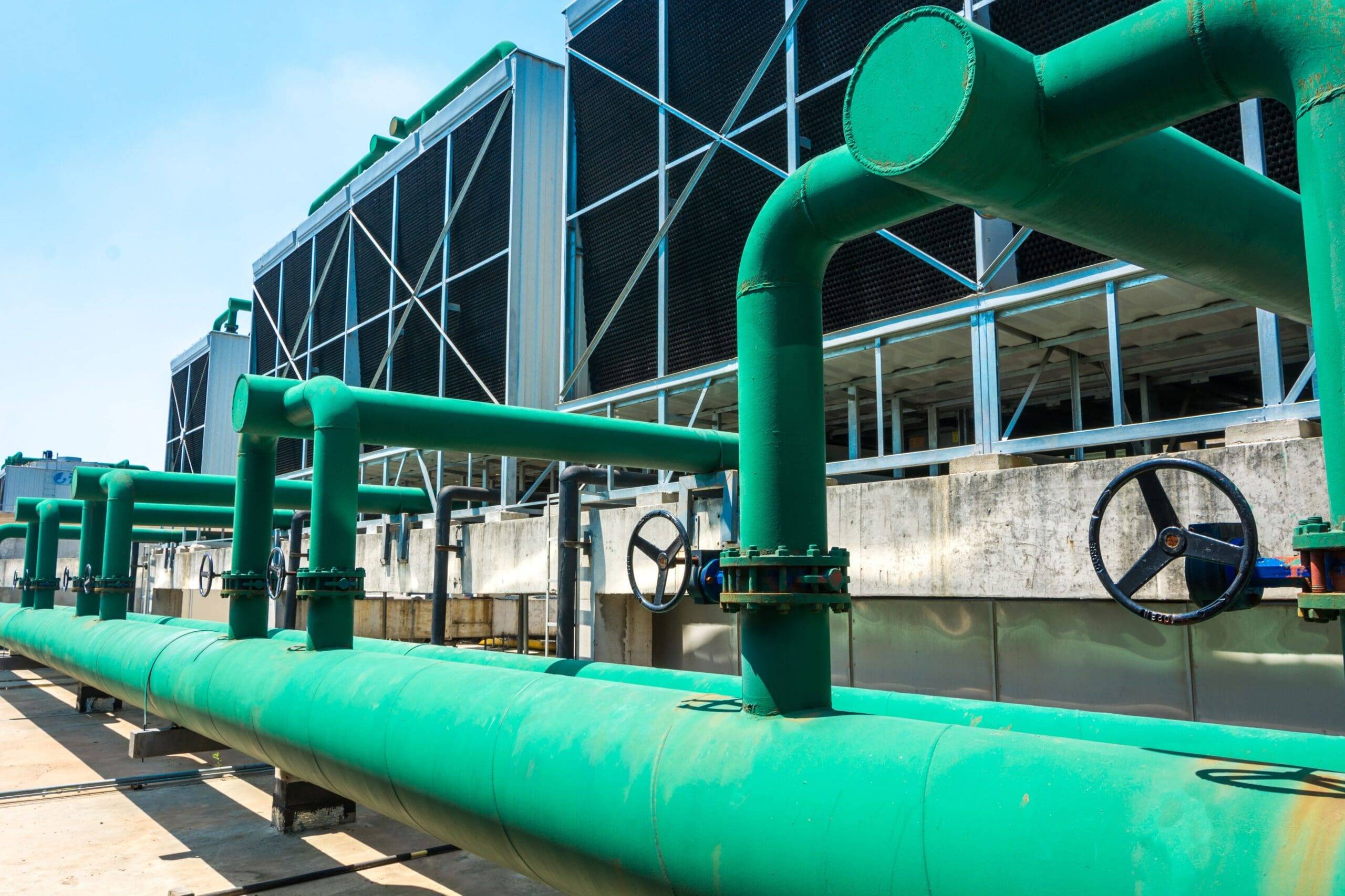
Specialized commercial plumbing systems address these challenges head-on. These setups often incorporate features such as oil-water separators to prevent petroleum-based substances from entering the main drainage system, heavy-duty filtration units to remove solids, and pH balancing equipment to neutralize acidic or alkaline wastewater. The system’s pipes, fittings, and pumps are engineered to withstand corrosive materials and high-pressure flows without degrading prematurely.
In many modern facilities, treatment is built into the plumbing infrastructure itself. Instead of simply moving wastewater away, these systems can filter, separate, and pre-treat it before it reaches a centralized treatment plant. This decentralization means potential issues are addressed immediately, reducing strain on municipal treatment facilities and ensuring plants remain compliant even during peak production periods. In some cases, integrated plumbing systems can even capture and reuse certain byproducts—turning waste into a valuable resource.
3. Regulatory Compliance and Risk Mitigation
Following environmental rules is essential in today’s manufacturing industry.Agencies such as the U.S. Environmental Protection Agency (EPA) or India’s Central Pollution Control Board (CPCB) impose strict limits on the composition
and quantity of wastewater that can be discharged. Violations can result in penalties ranging from hefty fines to complete operational shutdowns. Specialized Commercial plumbing solutions help ensure that wastewater meets these standards through automated monitoring, treatment, and quality control.
Beyond avoiding fines, compliance also builds trust—with stakeholders, investors, and the community.
Many modern plumbing systems have sensors and smart meters that check watequality as it happens.These systems can flag irregularities, generate compliance reports automatically, and maintain a complete audit trail. This not only keeps operations transparent but also allows plant managers to address problems before they escalate into legal or operational crises.
4. Sustainability and Resource Recovery
Today’s industrial plumbing solutions aren’t just about disposal—they’re about conservation and efficiency. Many facilities now incorporate water recycling systems that allow treated wastewater to be reused for non-potable purposes, such as cooling machinery, flushing systems, or cleaning floors. This reduces the plant’s dependence on fresh water, which is especially critical in regions facing drought or high water costs.
Resource recovery is another area where modern plumbing shines. Technologies such as anaerobic digesters can convert organic waste in wastewater into biogas, providing a renewable energy source for the facility. Similarly, heat recovery units can capture residual heat from wastewater and use it to pre-warm incoming water, lowering energy bills. These innovations not only reduce operational costs but also help companies meet corporate sustainability goals—strengthening their market reputation.
Conclusion
Managing wastewater in a manufacturing setting is far more than a maintenance task—it’s a strategic priority that impacts regulatory compliance, operational efficiency, environmental stewardship, and even profitability. Specialized commercial plumbing systems offer the precision, capacity, and adaptability required to meet these demands in an ever-changing industrial landscape.
In an era where public perception, legal compliance, and environmental sustainability are tightly interconnected, investing in advanced wastewater management isn’t just a regulatory necessity—it’s a competitive advantage. The right plumbing solution turns what was once a waste problem into an opportunity for cost savings, innovation, and long-term growth.