How Improper Maintenance Quietly Cancels Your HVAC Warranty
HVAC warranties act as an insurance policy, but the warranty is highly efficient only when the installation, operation, and maintenance of the system are conducted as per the requirements of the manufacturer. Poor or improper upkeep is one of the major reasons that cause denial of valid claims, with majority of manufacturers considering poor servicing to be breach of warranty agreement and not the wear and tear.
What Warranties Actually Promise
The majority of the HVAC warranty covers defects in workmanship and materials, but not that caused by dirt, no maintenance, or abuse. The assumed requirements are usually that one has certified professionals to install the unit, register it on good time, and service it at least once a year by a licensed technician. In case these requirements are not fulfilled, the manufacturers can stick many failures on the blame of the owner instead of the company.
How Skipping Maintenance Voids Coverage
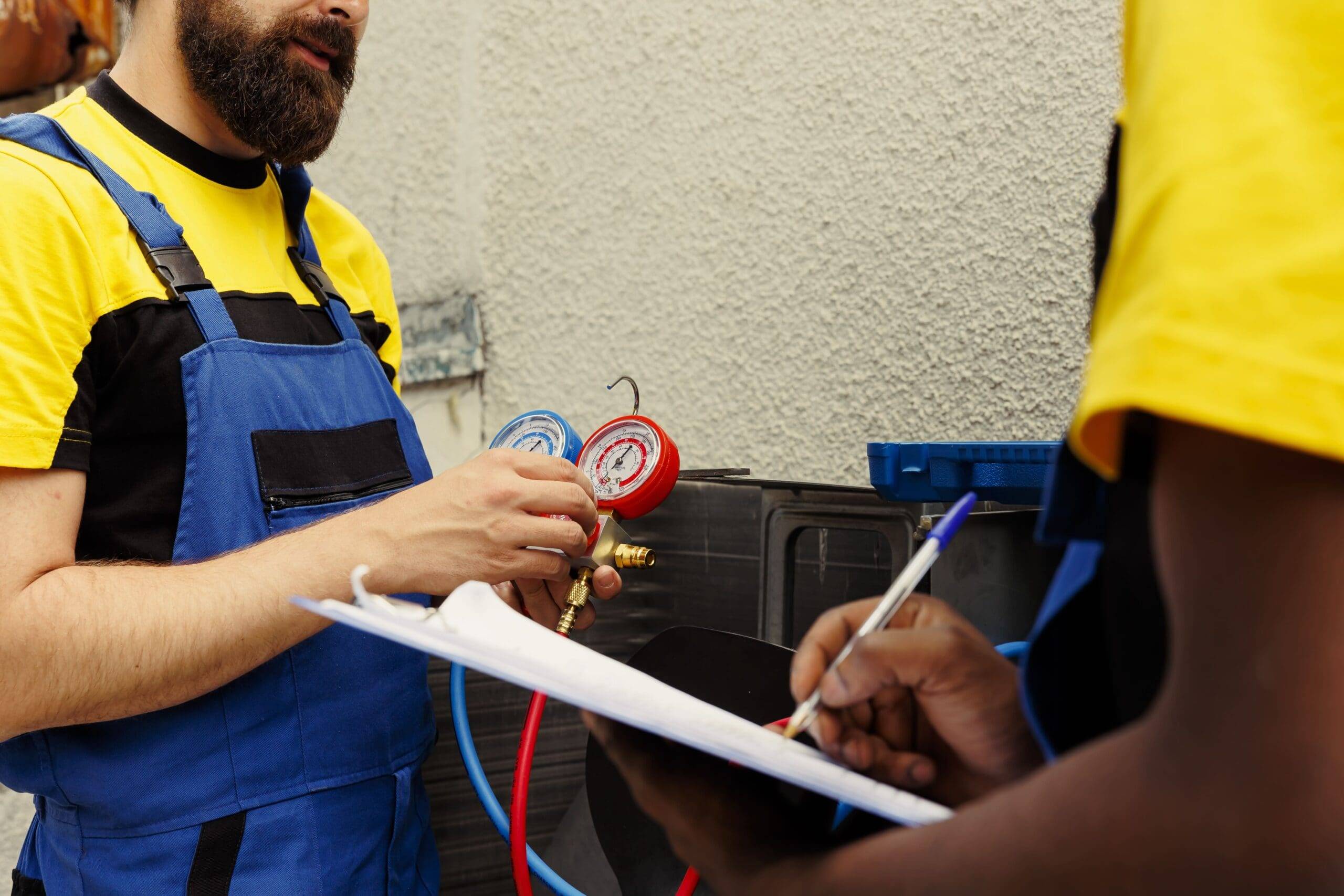
Missing annual tune-ups is the easiest way of losing cover. Many manufacturers directly specify that they need evidence of habitual professional servicing and others may insist on invoices or a maintenance history before they approve a claim. The company can claim that the system was not maintained, which led to the failure of the system, and thus will not provide a cover to even the expensive parts like compressors in the event that the coils became dirty, filters clogged or records lack.
DIY Repairs, Unlicensed Work and Wrong Parts
Efforts to save cost by carrying out repairs or contracting unlicensed workers also have the danger of canceling warranties. The majority of the policies require that the installation and repair should be performed by licensed or approved technicians, and only the OEM or approved parts should be used. In the event that a system shows signs of tampering, non-conformance of parts or evasion of safety measure, the manufacturers often refuse payment claiming that it is no longer within the specification of the system or to operate safely.
Why Documentation Matters
Even an exemplary maintenance is not perceived in case it cannot be substantiated. Manufacturers rely on documentation in order to determine adherence to the requirements of the set conditions thus careful records of the date, jobs done, reading, and part that has been replaced are necessary. Without such documentation, the owners can simply have claims denied on the grounds that there is no record of the equipment being used in the past, a situation that is particularly widespread in business property since different contractors can use the equipment throughout its service.
Protecting Your Warranty
In order to maintain warranty coverage, owners are advised to have new equipment registered on time, have professional maintenance procedures on a regular basis, hire technicians of license, and use OEM parts. On the same note, they must have all invoices and checklists in one storage facility so that when a claim comes, they can easily demonstrate that there was compliance. The consideration of maintenance as an obligation of a contract, and not a discretionary cost would maintain the existence of warranty and prevent unexpected complications in case of failure of a large component.