How to Prevent Plumbing Downtime in Industrial Environments
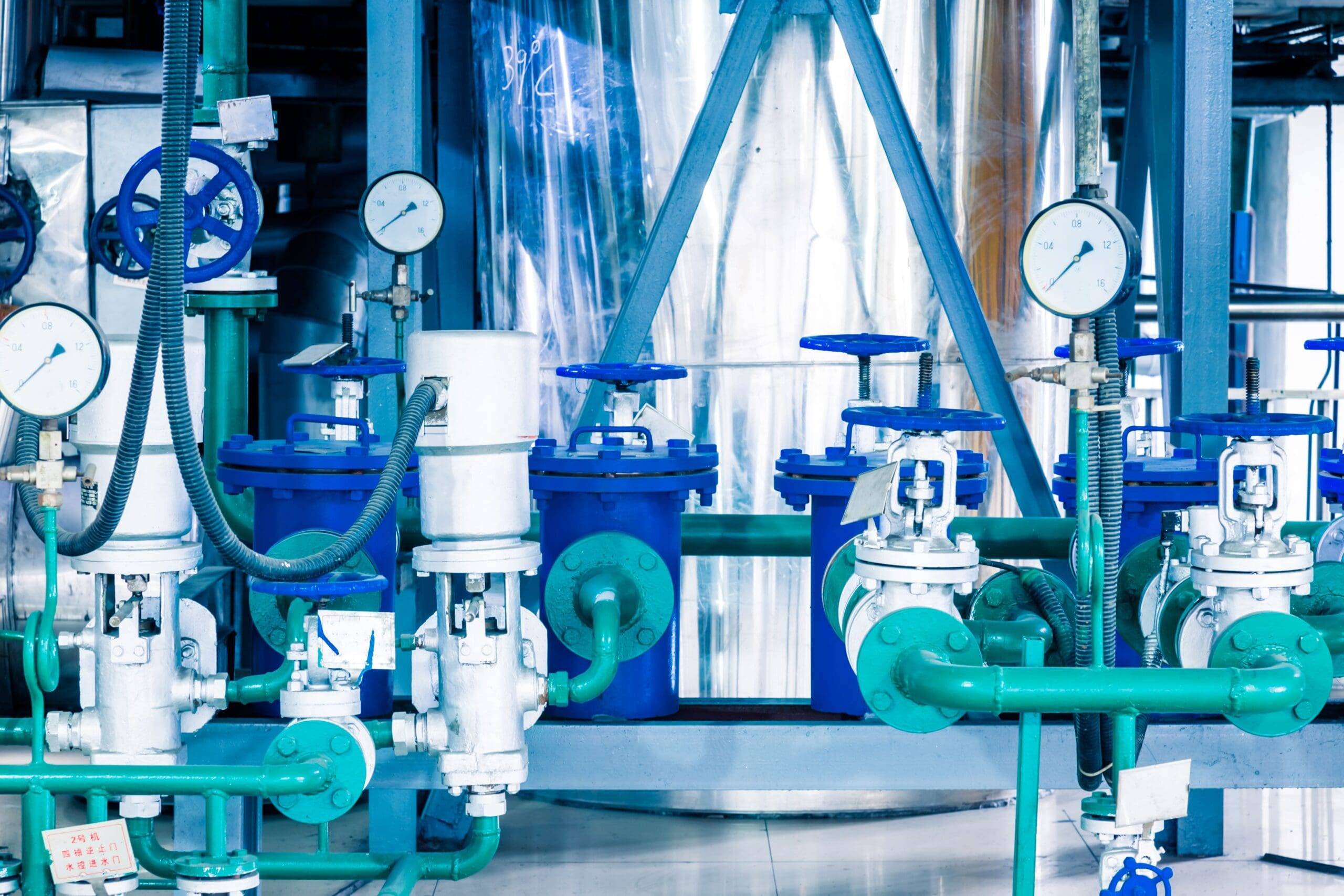
In industrial environments, plumbing systems are the silent workhorses that keep operations running smoothly. From supplying water for manufacturing processes to maintaining sanitation and waste management, these systems are essential for productivity. Yet, when a plumbing issue strikes, it can bring entire workflows to a halt—leading to costly downtime and potential safety risks. Preventing these interruptions isn’t just about fixing leaks as they occur; it’s about adopting a proactive strategy that ensures your systems are resilient, efficient, and compliant.
Conduct Routine Plumbing Inspections
Regular inspections are one of the most effective ways to spot issues before they escalate into full-blown emergencies. Trained professionals can identify early warning signs such as pipe corrosion, leaks, or pressure irregularities that might not be visible to the untrained eye. This preventative measure minimizes unexpected failures that could cause operations to halt.In addition to preventing sudden breakdowns, routine inspections help extend the lifespan of plumbing systems. Detecting and addressing small-scale wear and tear—like degraded seals or loose fittings—can save significant repair costs in the long run. These small investments in preventive care often translate into huge savings on major repairs or replacements.
Scheduling inspections at least quarterly is a good practice for most industrial facilities. However, for industries that heavily rely on water-based systems, such as food processing or chemical manufacturing, monthly checks may be more appropriate. The frequency should align with the intensity of system usage and the environmental conditions the system operates in.
Implement Preventive Maintenance Programs
Preventive maintenance goes beyond inspections by ensuring components are serviced, cleaned, and replaced before they fail. This could include descaling pipes, flushing out sediment, lubricating valves, and replacing worn gaskets. Such proactive work not only prevents downtime but also improves water flow and system efficiency.A well-documented preventive maintenance plan allows facility managers to keep track of service intervals, parts
replaced, and potential problem areas. This documentation is invaluable for both operational efficiency and regulatory compliance, especially in sectors with strict health and safety requirements.
It’s important to assign preventive maintenance tasks to experienced technicians who understand industrial plumbing complexities. Leveraging modern maintenance management systems (CMMS) can help automate scheduling and alert teams to upcoming service needs, ensuring nothing slips through the cracks.
Train Staff for Early Issue Detection
While professional inspections are critical, the first line of defense is often the staff who interact with plumbing systems daily. Training employees to spot unusual noises, water discoloration, or changes in water pressure can help catch problems early, preventing escalation.Regular training sessions should also cover basic safety protocols, such as how to shut off valves in an emergency or report system irregularities. This empowers staff to take swift action in critical moments, minimizing potential downtime.
Encouraging a “report immediately” culture is essential. Often, small plumbing concerns are overlooked until they become major failures. Staff should feel confident and responsible for raising issues without fear of repercussions.
Use High-Quality Materials and Components
The longevity and reliability of industrial plumbing systems depend heavily on the quality of materials used. Cheaper parts may seem cost-effective in the short term, but they often wear out faster and fail under high demand.Using high-quality pipes, valves, and fixtures helps lower the chance of unexpected failures.High-quality materials are particularly important in environments where plumbing systems are exposed to corrosive substances, extreme temperatures, or high pressure. For instance, stainless steel piping may be more suitable than galvanized steel in certain industries due to its superior resistance to rust.
Partnering with trusted suppliers ensures you receive components that meet industry standards and certifications. This not only boosts reliability but also supports compliance with safety and environmental regulations.
Leverage Smart Monitoring Technologies
Advancements in IoT and smart monitoring tools now make it possible to detect plumbing issues in real-time. Sensors can track pressure levels, water flow, and temperature, sending instant alerts when anomalies occur. Smart systems can also collect and analyze data over time, revealing patterns that may indicate underlying issues. For example, recurring drops in water pressure might point to a slow leak or pipe blockage, prompting preemptive repairs.
Integrating smart monitoring into an industrial plumbing setup enhances visibility, reduces manual oversight, and adds a layer of protection against unplanned downtime. The upfront investment often pays off quickly through saved repair costs and uninterrupted productivity.
Conclusion
Plumbing downtime in industrial environments isn’t just inconvenient—it can halt production, increase costs, and compromise safety. By combining regular inspections, preventive maintenance, staff training, high-quality materials, and smart monitoring technologies, facilities can greatly reduce the risk of unexpected failures. The aim is to shift from fixing problems only when they occur to taking steps to stop them from happening in the first place.In the long run, this approach safeguards both operational efficiency and business profitability.