Introduction
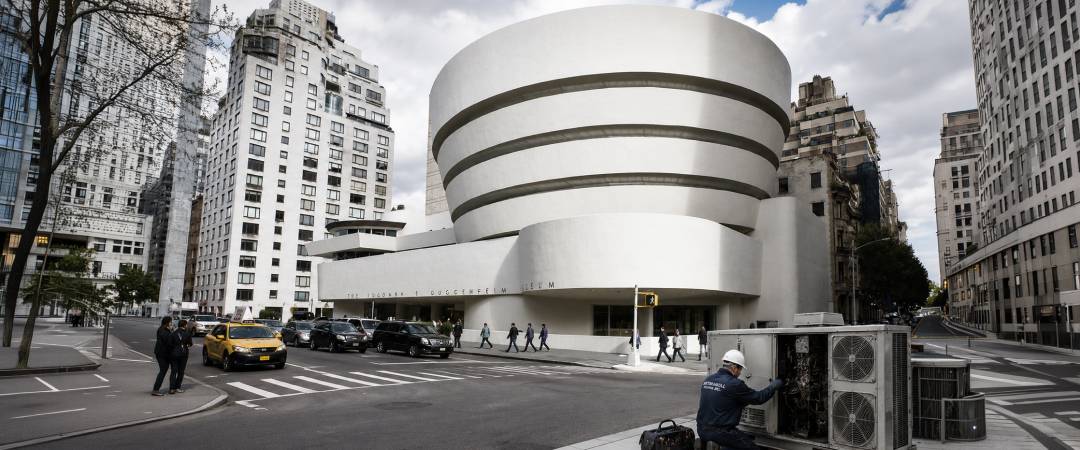
An esteemed art museum and a commercial HVAC system do not seem to have much in common. Yet, both are examples of valuable assets that must be consistently maintained to ensure their proper function and lasting legacy. The celebrated construction of the Guggenheim Museum required extensive preservation efforts to maintain its architectural integrity. Similarly, commercial HVAC systems require preventative maintenance to ensure their continued reliable performance.
The Guggenheim Museum: A Masterpiece Worth Preserving
Why Preservation Matters
The reason for the Guggenheim Museum’s preservation is two-fold. Firstly, it ensured the safety and comfort of the visitors and staff. Secondly, it helped maintain the structural integrity of the building.
The Cost of Neglect
It goes without saying that neglecting preservation efforts would lead to swift decay. This, in turn, would result in substantial expenses associated with restoring the iconic building.
Understanding HVAC Preventative Maintenance (PM)
What Is Preventative Maintenance?
Preventative maintenance is a regular inspection and servicing of HVAC systems and their components to detect and resolve potential issues before they cause system failure.
Key Components of an HVAC PM Program
Preventative maintenance programs typically involve cleaning, inspecting, adjusting, and testing of filters, electrical components, refrigerant, lubrication, and airflow.
Why Routine Maintenance Matters
Consistent preventative maintenance contributes to improved system performance, increased efficiency, reliability, and longer lifespan.
The Surprising Connection Between HVAC PM and the Guggenheim Museum
Protecting Valuable Assets
Both the Guggenheim Museum and commercial HVAC systems require regular maintenance to ensure their protective functions and preserve their value.
Preserving Long-Term Performance
Preventative maintenance prevents performance decay, which can often be difficult to detect until serious damage occurs.
Preventing Costly Failures
In addition to ensuring stable performance, regular maintenance can prevent expensive repairs.
Investing in Longevity Instead of Repairs
The bottom line is that regular maintenance is significantly more cost-effective than system replacement.
The Business Benefits of Preventative HVAC Maintenance
- Lower Operating Costs
- Improved Energy Efficiency
- Extended Equipment Lifespan
- Fewer Emergency Service Calls
- Better Indoor Comfort
Why Commercial Buildings Cannot Afford Reactive Maintenance
Hidden Costs of Deferred Maintenance
Left unattended, minor issues can develop into major mechanical failures, often with substantial repair costs.
Operational Risks
HVAC system downtime can halt business operations and endanger occupants’ health.
Compliance and Sustainability Considerations
Proactive maintenance is essential in meeting evolving regulatory and sustainability standards.
Building a Successful Preventative Maintenance Strategy
- Schedule Regular Inspections
- Monitor System Performance
- Address Minor Issues Early
- Partner with Experienced HVAC Professionals
Conclusion
The Guggenheim Museum is an unparalleled architectural achievement. Its preservation is essential in ensuring its structural stability and providing an enjoyable visit for generations of visitors. In a similar vein, commercial HVAC systems must be subject to regular maintenance. Preventative maintenance is a critical investment in the long-term performance of a building’s mechanical systems. It reduces operating costs, enhances energy performance, extends equipment life, reduces emergency service calls, and ensures the comfort of building occupants. By understanding the parallels between the maintenance of the Guggenheim Museum and commercial HVAC systems, business owners can make informed choices regarding their building’s mechanical equipment and derive maximum value from their investments.