Introduction
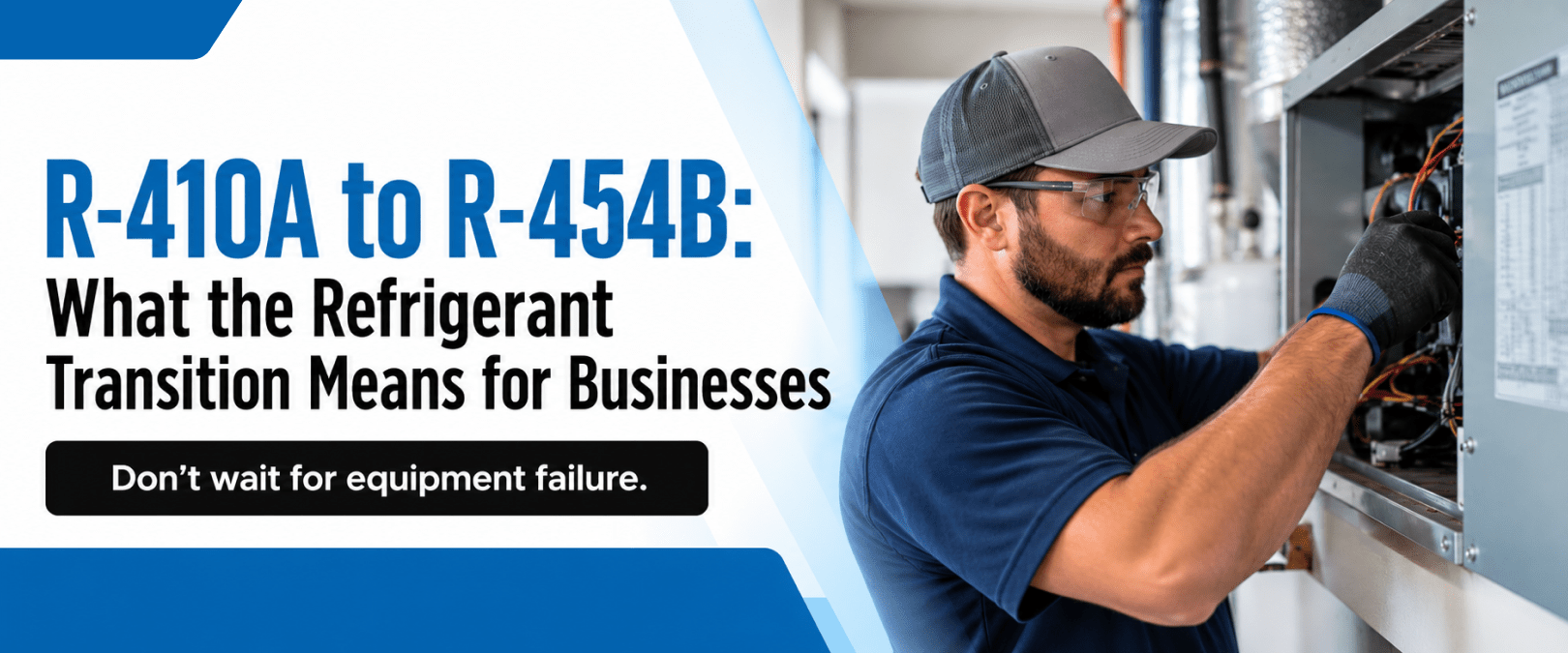
Change is sweeping through the world of heating and cooling systems, driven by new rules on refrigerants aimed at protecting the planet. Not long ago seen as just a maintenance detail, what flows inside those machines now sits squarely on executive agendas. New laws shape how buildings operate, pushing upgrades that ripple across budgets and timelines. Equipment choices made today lock in consequences – some expensive – for years ahead. Getting clear on what lies ahead helps teams sidestep bills they did not see coming.
Refrigerant rules evolve with environmental concerns
Climate worries shifting everyday choices
When older cooling chemicals escape, they trap heat far more than co2. Their impact on climate change is strong because of how long they linger after leaks.
Regulatory drivers
Several initiatives are accelerating refrigerant transitions:
- EPA refrigerant regulations
- The American innovation and manufacturing (AIM) act
- State-level climate policies
- Corporate ESG and decarbonization commitments
The shift from high global warming potential coolants across industries
Facing tighter rules, makers now swap out potent greenhouse gases like R-410A for cooler options that harm the air less. Cooling tech shifts as old chemicals fade from use in favour of planet-friendlier picks. Pressure builds, changes follow, refrigerants evolve beyond high-impact types once standard. What was common now gives way to substitutes with lighter climate footprints.
What are new generation refrigerants?
Defining low-GWP refrigerants
Fridges run just fine on coolants that barely harm the planet. A switch cuts climate damage without losing performance.
Key characteristics
- Lower carbon footprint
- Improved sustainability performance
- Regulatory alignment
- Support for future compliance initiatives
Emerging refrigerants examples
- R-454B
- R-32
- Other low-GWP alternatives
R 454B becomes common choice for commercial HVAC
Manufacturers shift to R-454B
Performance stays solid when swapping r-410a for r-454b – yet the climate impact drops sharply. Instead of high global warming potential, you get a much lighter footprint without sacrificing efficiency.
Key benefits
- Reduced environmental impact
- Long-term regulatory compatibility
- Improved sustainability metrics
Building owner notes
Hybrid work and finance engineering (FinEng)
HVAC as a financial infrastructure
Equipment built today might not handle tomorrow’s coolants, so picking the right system now matters more than it seems at first glance.
Regulatory changes affecting commercial property
Plan ahead for future HVAC system replacements
When machines grow old, firms must check them early – before they break without warning.
Equipment availability considerations
Facing tighter climate rules, makers now favour coolants that heat the planet less – older machines could fade from view as a result.
Long-term maintenance implications
Change won’t stop when it comes to how techs learn their work. Service routines are bound to shift over time, simply because tools and needs change. Handling of cooling chemicals will keep adapting, step by step, without standing still.
Budgeting and capital planning challenges
Starting early means surprise costs stay away. A head start keeps big spending at bay.
Can old systems be updated?
Understanding compatibility limitations
Some newer coolants won’t fit right away into old systems. Instead, adjustments usually follow. Not every update works without changes. Often, parts must shift or adapt. Rarely does a swap happen fast. Usually, something needs modifying first.
When retrofitting is worth considering
A fresh start might come from checking upgrades when machines still have years left.
When replacing the entire system makes more sense
Fresh setups usually gain bigger wins replacing outdated ones outright, thanks to better performance meeting current rules.
Safety considerations new refrigerants
Understanding A2L refrigerants
Some coolants with low global warming potential fall into the a2l group, meaning they can catch fire slightly when exposed to certain situations
Updated installation requirements
Fresh setups come with smarter safeguards along with closer watch functions.
Building code safety compliance
Fresh rules keep stepping forward just as cooling chemicals change shape. Cooling blends shift, regulations stretch right after.
Financial implications for businesses
- Upfront investment considerations
- Lower energy costs over time. Less upkeep needed
- Avoiding emergency replacement costs
- Protecting asset value
Starting sooner tends to help groups manage spending while getting more back. Early moves shift how budgets play out.
Industries facing shifts due to refrigerant regulations
- Office buildings
- Healthcare facilities
- Data centres
- Manufacturing facilities
- Educational institutions
- Retail and hospitality properties
What businesses are doing now
- HVAC equipment list
- Systems with high global warming potential refrigerants
- Check capital improvement plans
- Plan for changing refrigerants
- Work with skilled HVAC technicians
The future of refrigerant technology
- Steady progress in eco friendly cooling
- Electricity use rises with more heat pumps
- Increase in decarbonization focus
- Smart HVAC systems help reduce energy use
Conclusion
One big shift changing commercial HVAC right now? The move to newer types of refrigerants. Those who check their gear early, get clear on rules, then plan ahead tend to face fewer legal issues. They also align more easily with environmental goals while keeping system value intact. Markets care more about regulations and planet impact these days. Waiting isn’t really waiting anymore, getting ready shapes how well you stand out.