Introduction
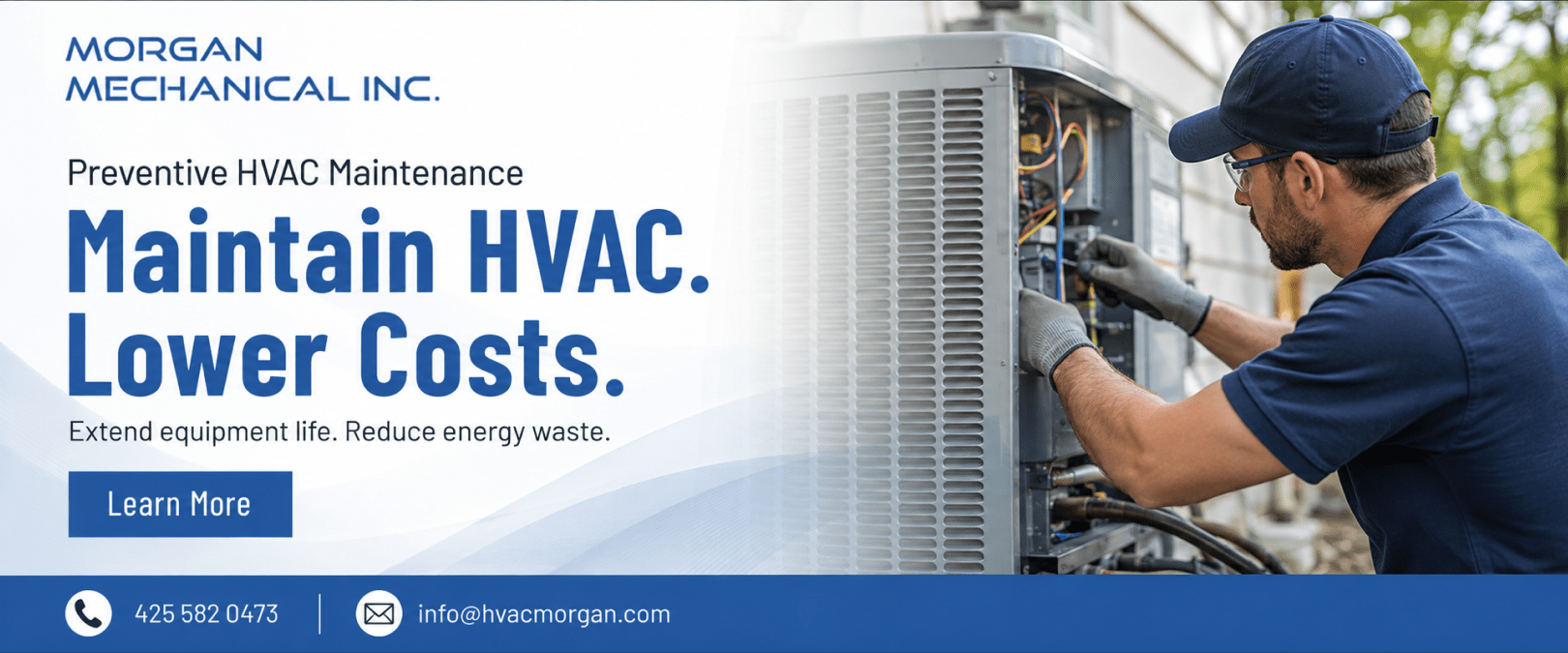
HVAC maintenance is usually a reactive business function of a property manager or a building facilities manager. Waiting for HVAC systems to breakdown also means waiting for the inevitable large expense of repairing the HVAC system, paying significantly elevated energy bills, costs from losing the use of the building, and significantly decreasing the HVAC system’s remaining useful life. Preventive HVAC maintenance means being proactive and addressing small issues.
What is preventive HVAC maintenance?
Like the name implies, preventive maintenance focuses on preventing HVAC systems from failing by maintaining a HVAC system’s operational efficiency through continual system optimization.
Key objectives include:
- Prevention of the failures which occur unexpectedly
- Increment in the overall efficiency of energy
- Extension of the lifespan of the equipment
- Having the comforts of the occupants be maintained
- Reduction in the long term costs of operations
How preventive maintenance lowers energy costs
HVAC systems consume the majority of a building’s energy. Especially in a business setting, even a slightly inefficient HVAC system can mean damage to bottom line profitability, especially when considering how high utility expenses can be.
Routine maintenance helps reduce energy costs by:
- Replacement of the air which gets clogged in the air filters in order to better the flow of air
- Having the cleaning of the coils done for the much smoother transfer of heat
- The levels of refrigerants to be maintained in a proper manner
- Calibration of the sensors along with thermostats
- Making sure of the motors, the belts, and also fans are operating with utmost efficiency and effectiveness
Essential preventive HVAC maintenance tasks
- Replacement as well as the cleaning of the air filters
- Having the coils cleaned consistently
- Inspections of the levels of refrigerants
- Checking of the electrically related component
- Lubrication of the parts which are moving
- Testing the controls and even the thermostats
Extending HVAC equipment life
Wear and tear on HVAC system components caused by neglecting maintenance can be easily prevented. Especially small issues add to the risk of system failures and damage to key HVAC system components.
Benefits include:
- Longer overarching lifespan of the equipment
- Substantial reduction in the frequency of the repairs
- Lowering in the costs pertaining to replacement
- Improvement of the entire system reliability
Additional business benefits
- Improvement of the quality of air
- Much development in the comforts of the occupants
- Reductio in the distortion the businesses faces
- Betterment in the regulatory compliances
- Lowered expenses pertaining to maintenance costs
- Increment in the overall value of the assets
Conclusion
Commercial property owners will benefit from preventive HVAC maintenance. Lower operating costs mean greater comfort for your employees and clients. It creates a much more pleasant atmosphere within your business. Your employees are more productive in a more comfortable environment. For a business, especially larger corporations, this can be a surprisingly large cost saving when considering efficiency on a company-wide scale. Fewer breakdowns = less disruptions to everyone the business serves. Fewer breakdowns and failures are more predictable to the business, making budgets less of a guessing game for increasing costs from failures.