
Introduction
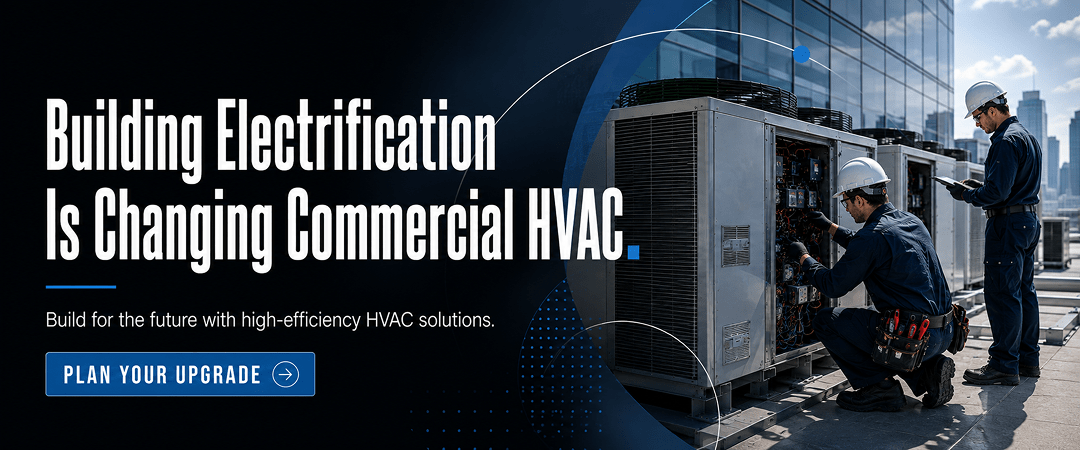
Building electrification is slowly becoming one of the most talked about trends in commercial real estate. Be it from the climate focused legislations to the record breaking energy prices, many of the organizations are looking to transition away from natural gas and into electric HVAC equipment which are high in efficiency. In Washington state, commercial building owners are also embracing the push towards sources which are energy efficient, of heat and air-conditioning. As laws and regulations continue to evolve, building electrification is becoming an increasingly attractive option for those looking to improve building performance.
Why building electrification is rapidly accelerating
Commercial buildings have been dominated from long ago by the natural gas HVAC equipment for decades. While gas has long been a staple of commercial building heating and even air conditioning, the organizations are now looking towards the diversification of their sources for the production of energy.
Several factors which are impacting the unification process to make building electrification an especially attractive prospect are:
- The clean buildings performance standard is encouraging more efficient building systems pertaining to HVAC
- Many companies are now actively making considerations for ESG (environmental, social, governance) objectives when making the crucial business decisions
- High-efficiency heat pumps can provide reliable heating and as well as air conditioning
- Building electrification is very much potent to future proof the organizations via insulating them from the regulatory and even the energy price volatility aspects
Heat pumps: The cornerstone for electrification
The heat pumps which are high in its efficiency are now being considered as a much potent replacement option for traditional natural gas HVAC equipment. Heat pumps helps in providing a much more energy efficient methodology to heat and cool buildings since they do not involve the process of fuel combustion which is energy intensive in nature. The many advantages of switching to heat pumps include:
- Substantial reductions in greenhouse-gas emissions
- Significant energy savings
- Space heating and cooling from a single source
- Improved building occupant comfort
- Lower maintenance and operating costs
Beyond replacement of equipment
While switching out traditional HVAC equipment being one of the most integral steps in the process of electrification, it is essential have the understanding that it is not the only step to be paid attention. Electrification is also so much more about building the long terms holistically thought building energy needs as well as the overarching energy goals rather than simply the installation of the high efficiency heat pumps.
When undertaking a building electrification project, it is important to consider the following:
- Conducting the building energy evaluations
- Designing high efficiency HVAC systems
- Installing smart building systems and controls
- Implementation of maintenance and reliability programs
- Thinking strategically pertaining to the building level capital improvements
Conclusion: Partnering for a sustainable future
Building electrification is rapidly changing the commercial real estate landscape. By partnering with morgan mechanical, organizations can ensure they are making the best possible decisions when it comes to HVAC system replacement or improvement. From natural gas conversions to strategic capital improvement planning, morgan mechanical delivers the most value focused solutions for commercial building owners and operators. As the push toward building electrification gains momentum, morgan mechanical is here to help commercial building owners reap the rewards of high performance, high efficiency building systems.