
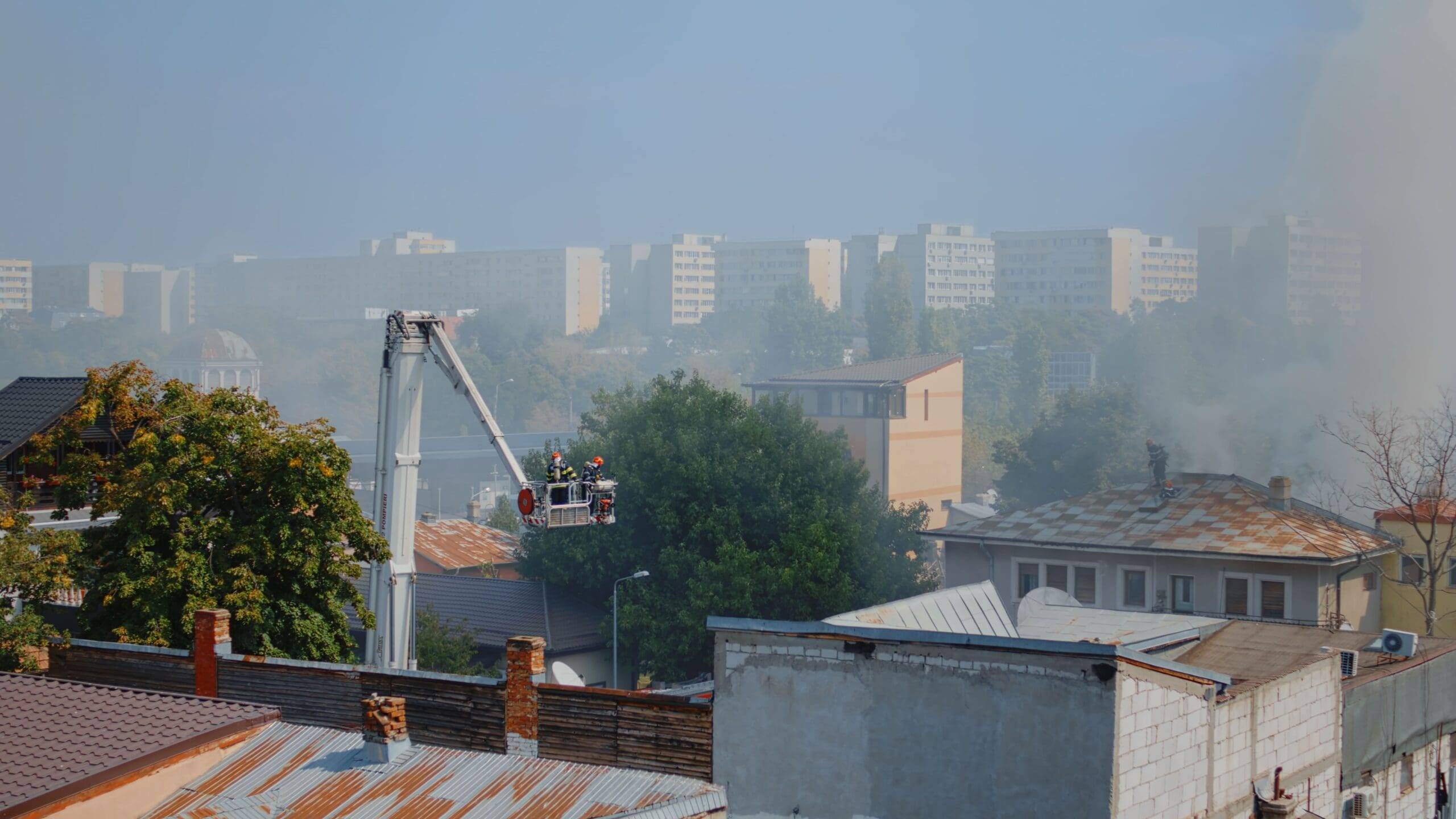
How HVAC Design Influences Fire Safety in High-Rise Commercial Buildings
Fire safety in high-rise commercial buildings is a critical architectural and engineering challenge that involves multiple safety systems working cohesively to protect occupants, property, and emergency responders. One often overlooked yet essential element in this safety matrix is the building’s Heating, Ventilation, and Air Conditioning (HVAC) system. While HVAC systems are primarily designed to regulate indoor air quality and comfort, their design significantly impacts fire dynamics, especially smoke movement and the spread of toxic gases. Without thoughtful fire-safe HVAC design, ducts and air handling systems may unintentionally amplify fire hazards by facilitating smoke and heat spread across fire zones. Conversely, a well-designed HVAC system plays a key role in compartmentalizing fire, controlling smoke propagation, and supporting safe evacuation.
Fire Dynamics and HVAC’s Role in High-Rises
High-rise buildings inherently pose complex fire risks due to their vertical layout and interconnected spaces. Fire and smoke can rapidly travel through shafts, stairwells, elevators, and ventilation systems, threatening occupants on multiple floors. Smoke, often more deadly than flames, obstructs evacuation routes, causes respiratory distress, and impedes firefighting efforts. Because HVAC air ducts connect various rooms and floors, they have the potential to act as channels for smoke and heat unless controlled.
Critical Aspects of HVAC Fire Safety Design
1. Compartmentalization with Fire Dampers:
High-rises are divided into fire compartments—fire-resistant sections designed to contain fires for a specified duration. HVAC ductwork passing between these compartments must incorporate fire dampers that automatically close when exposed to high temperatures or smoke, preventing smoke migration and maintaining compartment integrity. Fire-resistant duct materials and proper sealing further reinforce these barriers.
2. Smoke Control and Exhaust Systems:
Designing HVAC systems to pressurize stairwells and safe refuge areas ensures smoke is kept out of evacuation routes. Smoke exhaust systems actively remove smoke from fire zones, improving visibility and air quality, enabling safer evacuation and effective firefighting.
Combining pressurization with exhaust optimizes smoke management during emergencies.
3. Automatic Shutdown and Control Integration:
HVAC operation should be integrated with fire detection systems allowing automatic shutoff or alteration of airflow upon smoke or fire detection. This prevents the HVAC system from feeding oxygen to the fire or distributing smoke further, helping contain fire spread while supporting suppression efforts.
4. Fire-Resistant Materials and Insulation:
Using non-combustible or fire-retardant materials for ducts, insulation, and sealing reduces the fire risk within HVAC components’ pathway. Fire-rated ducts, flame-resistant insulation, and sealed penetrations through fire barriers minimize opportunities for fire and smoke to bypass safety zones.
5. Routine Maintenance and Compliance:
Regular testing, inspection, and maintenance of fire dampers, smoke detectors integrated within HVAC systems, and automatic controls are vital. This ongoing upkeep ensures all components perform reliably in emergencies and remain compliant with standards like NFPA 90A and local fire codes.
Additional Considerations for Fire-Safe HVAC Systems
- Fire Safety Standards: Compliance with rigorous codes such as NFPA 90A mandates proper installation, operation, and inspection of HVAC fire safety devices. These codes govern damper placement, materials, duct penetration sealing, and shutdown protocols during fire incidents.
- Zoning and Smoke Control Alignment: HVAC zones should align with fire and smoke zones to simplify fire safety system control, improve effectiveness, and reduce complexity. Proper zoning minimizes smoke’s ability to spread and facilitates easier smoke damper installation.
- Helipad and Refuge Area Provisions: In buildings over 50 meters tall, codes often require helipads and designated refuge spaces. HVAC systems must maintain air quality and safety in these areas, keeping them smoke-free during fires via pressurization and filtration.
- IoT and Smart Monitoring Integration: Increasingly, HVAC fire safety systems incorporate real-time smoke and heat sensors connected to smart building management systems. These allow dynamic response—automated damper activation, airflow adjustments, and alarm generation—enhancing reaction speed beyond traditional manual controls.
- Emergency Communication and Control Rooms: HVAC fire safety strategies integrate with building control rooms that monitor fire alarms, HVAC status, and occupant alert systems. Trained personnel can override automated controls if needed, coordinate firefighter access, and manage occupant evacuation.
Conclusion
HVAC systems profoundly influence fire safety performance in high-rise commercial buildings. Their ability to control smoke movement, maintain compartmental integrity, and integrate with fire detection systems can mean the difference between a manageable fire event and catastrophic loss of life and property. Designing HVAC systems with fire safety as a priority—from material choices and damper installations to system controls and maintenance protocols—is essential for safeguarding occupants and complying with stringent codes. As emerging technologies bring smarter sensors and automation, HVAC will continue to evolve as a pivotal player in high-rise fire protection strategies.